Scandinavian folklore books open the door to a rich tradition of trolls, spirits, heroes, enchanted forests, and stories shaped by the landscapes of Norway, Sweden, Denmark, Finland, and Iceland.
This collection includes accessible illustrated anthologies, classic translations, Finnish mythology, and detailed reference works, making it easier to choose a book that matches your reading age, interests, and preferred depth.
Best 10 Scandinavian Folklore Books Picks for 2026
Best Illustrated Nordic Collection

- 16 tales from five Nordic countries
- Contemporary full-page illustrations
- Hardcover with ribbon marker
Best For: Teens and adults wanting a giftable Nordic folklore overview
Best Folklore Creature Guide
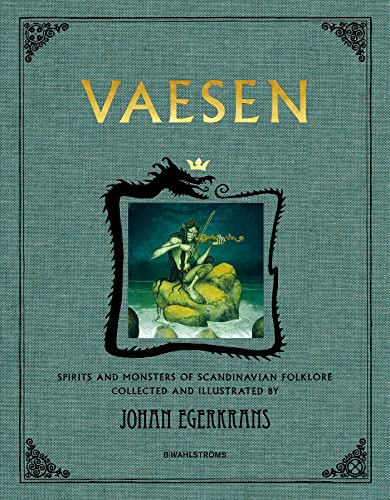
- Focuses on Scandinavian spirits and monsters
- Expanded with 12 new beings
- Large format for visual browsing
Best For: Readers fascinated by supernatural folklore creatures
Best Swedish Art Treasury

- 23 classic Swedish stories
- John Bauer illustrations throughout
- Foiled cover and ribbon marker
Best For: Collectors and families who value art alongside folklore
Best Compact Classic Anthology

- 256 pages of traditional folktales
- Dark themes including ghosts and witchcraft
- Compact Penguin Folklore Library edition
Best For: Readers seeking portable, eerie Scandinavian tales
Best Illustrated Epic

- Finnish national folk saga retelling
- Detailed artwork by Pirkko-Liisa Surojegin
- Designed for ages 9–16
Best For: Shared family reading and visually rich Finnish mythology
Best Classic Collection

- Contains 35 Norwegian folk tales
- Includes classic illustrations
- Digital edition with accessibility features
Best For: Readers wanting a broad, traditional Norwegian collection
Best Creature Lore

- Explores Scandinavian hidden folk
- Includes hulders, dragons, and werewolves
- Digital second volume with accessibility features
Best For: Readers drawn to supernatural creatures and traditional short tales
Best Reference
Norse and Germanic Folklore Encyclopedia

- Broad coverage across Scandinavia and Germanic Europe
- Includes major gods and lesser-known magical beings
- Uses classic and rare historical sources
Best For: Researchers and serious mythology enthusiasts
Best Comprehensive Collection
Scandinavian Folk & Fairy Tales

- Stories from Norway, Sweden, Denmark, Finland, and Iceland
- 666-page collection of folk literature
- Illustrated by native artists
Best For: Readers wanting broad Nordic story coverage
Best Historical Presentation
Tales and Legends of Sweden and Norway

- Focuses on Swedish and Norwegian traditions
- Adds customs, costumes, occupations, and history
- Uses a conversational vintage storytelling frame
Best For: Readers seeking contextual, old-fashioned folklore
Best Illustrated Nordic Collection – Nordic Tales
For readers seeking scandinavian folklore books with broad regional coverage, Nordic Tales offers 16 traditional stories from Norway, Sweden, Finland, Iceland, and Denmark. Its contemporary illustrations, hardcover presentation, and mix of magical, humorous, cozy, and chilling tales make it an accessible introduction to Nordic storytelling.
Best For: Teens and adults who want a beautifully illustrated, giftable overview of Nordic folk tales.
Pros:
- Covers five Nordic countries in one volume.
- Includes a full-page illustration for each story by Ulla Thynell.
- Hardcover design includes a satin ribbon marker.
- Balances cultural history, mythology, adventure, and humor.
Cons:
- At 168 pages, it is a curated selection rather than an extensive reference.
- The illustrations and gift-book presentation may appeal less to readers seeking a scholarly edition.
This is a strong all-around choice when visual presentation and regional variety matter as much as the stories themselves. It works especially well as a shelf-worthy introduction or gift.
Best Folklore Creature Guide – Vaesen
Vaesen: Spirits and Monsters of Scandinavian Folklore is a focused pick among scandinavian folklore books for readers most interested in supernatural beings. It explores creatures associated with Scandinavia’s forests, lakes, mountains, homes, and rural life, with an expanded edition adding twelve new folkloric beings.
Best For: Readers who want a creature-centered exploration of Scandinavian supernatural folklore.
Pros:
- Concentrates on spirits, monsters, and “fair folk.”
- Connects folklore beings to everyday explanations for disappearances, illness, and strange events.
- The expanded edition adds twelve creatures from across Scandinavia.
- Large 8.7-by-11.1-inch format suits visual browsing.
Cons:
- Its subject is narrower than a traditional folktale anthology.
- The supplied notes do not specify the number or length of individual entries.
Choose this edition if your priority is learning about Scandinavian folkloric beings rather than reading a broad selection of narrative tales. The expanded content makes it particularly appealing to collectors and longtime fans.
Best Swedish Art Treasury – Swedish Folk and Fairy Tales
For shoppers comparing scandinavian folklore books with a strong art component, An Illustrated Treasury of Swedish Folk and Fairy Tales centers on 23 classic Swedish stories and the evocative work of John Bauer. Trolls, tomtes, giants, children, shepherd boys, and princesses fill this polished centenary gift edition.
Best For: Families, collectors, and art lovers who want classic Swedish tales paired with distinctive illustrations.
Pros:
- Includes 23 Swedish folk and fairy tales.
- Features John Bauer’s detailed and characterful artwork.
- Adds twenty extra pictures and an illustrated Bauer biography.
- Foiled cover and ribbon marker make it suitable for gifting.
Cons:
- Its focus is Sweden rather than Scandinavia as a whole.
- Readers seeking unillustrated or academically annotated folklore may prefer another format.
This is the strongest option here for readers who value classic Swedish storytelling and presentation equally. The added artwork and biography give the anthology lasting appeal beyond its tale selection.
Best Compact Classic Anthology – Scandinavian Folktales
Scandinavian Folktales is a compact choice for readers browsing scandinavian folklore books on a smaller budget or shelf footprint. Its selection focuses on darker supernatural material, including ghosts of murdered men, gypsy curses, witchcraft, and other unexplained forces.
Best For: Readers who prefer concise, traditional Scandinavian tales with eerie and supernatural themes.
Pros:
- Offers 256 pages of Scandinavian folktales.
- Features ghosts, curses, witchcraft, and supernatural forces.
- Compact 7-by-5-inch format is easy to store or carry.
- Part of the Penguin Folklore Library.
Cons:
- The supplied description provides limited information about the individual stories.
- It appears more focused on darker folklore than lighthearted fairy tales.
- Its 1989 publication date may matter to readers seeking a newer edition.
This anthology is a practical pick when portability and traditional supernatural themes matter most. Choose it over the illustrated gift editions if you primarily want a compact reading collection.
Best Illustrated Epic – An Illustrated Kalevala
For readers seeking scandinavian folklore books with strong visual appeal, An Illustrated Kalevala offers a prose retelling of Finland’s national folk saga. Its 120 pages pair mythical heroes, magical creatures, snowy mountains, and dark forests with detailed artwork, making it a striking choice for shared reading.
Best For: Families and readers ages 9–16 who want an illustrated introduction to Finnish mythology.
Pros:
- Lavish illustrations by Pirkko-Liisa Surojegin.
- Features heroes, eagles, dragons, and other mythic figures.
- Suitable for children and adults to enjoy together.
Cons:
- Focuses specifically on the Finnish Kalevala rather than a broad Scandinavian selection.
- The reading age and grade guidance may not suit very young children.
This is a polished, giftable volume for buyers who value artwork as much as storytelling and want a focused introduction to Finland’s epic tradition.
Best Classic Collection – Norwegian Folk Tales
Norwegian Folk Tales is a strong pick among scandinavian folklore books for readers who want a substantial collection of traditional stories. This edition gathers 35 tales from the landmark collections of Peter Christen Asbjørnsen and Jørgen Moe, with witches, trolls, ogres, animals, princesses, and unlikely heroes.
Best For: Readers ages 9–12 and folklore fans looking for a classic Norwegian tale collection in English.
Pros:
- Includes 35 traditional Norwegian folk tales.
- Features original illustrations by Erik Werenskiold and Theodor Kittelsen.
- Available as an English-language digital edition with screen-reader support and enhanced typesetting.
Cons:
- This edition is digital rather than a print book.
- Its focus is Norway, not the wider Scandinavian region.
Choose this collection if breadth within Norwegian folklore matters more than a single illustrated narrative. Its classic source material and 194-page length provide plenty of reading for younger audiences and folklore enthusiasts.
Best Creature Lore – Secrets of the North
For a modern collection of scandinavian folklore books centered on supernatural beings, Secrets of the North explores traditional short tales from Scandinavia. This second volume introduces readers to hulders, dragons, werewolves, and other hidden folk connected with forests, mountains, and waterways.
Best For: Folklore enthusiasts and short-story readers interested in Scandinavian creatures and regional traditions.
Pros:
- Focuses on a wide range of Scandinavian hidden folk and legendary creatures.
- Collects traditional sagn compiled from nineteenth- and early twentieth-century folklorists.
- Digital edition includes screen-reader support, enhanced typesetting, and page flip.
Cons:
- It is labeled Book 2 of 2, so some readers may prefer to begin with the first volume.
- The description emphasizes short tales and creature lore rather than illustrations.
With its 194-page digital format and creature-focused scope, this volume suits readers who want atmospheric folklore research and entertaining tales rather than a children’s picture-book presentation.
Best Reference – Norse and Germanic Folklore Encyclopedia
For readers comparing Scandinavian folklore books as reference works, Encyclopedia of Norse and Germanic Folklore, Mythology, and Magic offers broad coverage across Scandinavia and neighboring Germanic regions. It combines entries on major gods with lesser-known beings, customs, rituals, sources, and mythical places.
Best For: Researchers, mythology enthusiasts, and readers seeking a detailed reference to Norse and Germanic traditions.
Pros:
- Covers traditions from Norway, Sweden, Denmark, Finland, Iceland, Germany, Austria, Switzerland, and England.
- Includes well-known figures such as Odin, Thor, Krampus, and the Valkyries alongside elves, dwarves, trolls, giants, and other beings.
- Draws on sources including the Poetic Edda and works by Snorri Sturluson and Saxo Grammaticus.
- Discusses rituals, folk customs, magical beliefs, and the historical misuse and suppression of Germanic mythology.
Cons:
- Its encyclopedia format may be less suitable for readers wanting a continuous collection of short tales.
- At 352 pages, it is a substantial reference volume rather than a lightweight introduction.
This is the strongest choice of the three for depth and breadth. Choose it when you want to look up figures, traditions, and sources rather than simply read folklore for entertainment.
Best Comprehensive Collection – Scandinavian Folk & Fairy Tales
Scandinavian Folk & Fairy Tales: Tales From Norway, Sweden, Denmark, Finland & Iceland
Check Price On AmazonAmong Scandinavian folklore books, Scandinavian Folk & Fairy Tales is a substantial collection spanning Norway, Sweden, Denmark, Finland, and Iceland. Its focus on folk literature and illustrations by native artists makes it a practical pick for readers who want stories from several Nordic countries in one volume.
Best For: Readers, families, and students looking for a broad, illustrated collection of Scandinavian folk and fairy tales.
Pros:
- Includes material from five Scandinavian countries.
- Provides a large 666-page selection of folk literature.
- Features illustrations by native artists.
- Offers wider geographic coverage than a collection limited to one or two countries.
Cons:
- Its size may be more than casual readers need.
- The supplied details do not identify individual stories or explain how the tales are organized.
This is the most expansive story collection in the roundup by page count. It suits shoppers who value variety across the Nordic region and prefer a traditional illustrated anthology over a single-country volume.
Best Historical Presentation – Tales and Legends of Sweden and Norway
For shoppers interested in Scandinavian folklore books with historical context, Tales and Legends of Sweden and Norway presents myths, songs, legends, and history alongside descriptions of Scandinavian customs, clothing, and occupations. Originally published in 1867, it uses a conversational framing device involving a well-traveled uncle and his nieces and nephews.
Best For: Readers who enjoy vintage storytelling, cultural description, and folklore from Sweden and Norway.
Pros:
- Focuses specifically on Swedish and Norwegian tales and legends.
- Combines folklore with descriptions of customs, costumes, occupations, and history.
- Includes myths, songs, legends, and stories presented through family conversations.
- At 238 pages, it is shorter and more approachable than the larger anthology in this roundup.
Cons:
- Its 1867 origin may give the presentation a distinctly historical rather than modern feel.
- It covers two countries, not the broader range found in the five-country collection.
Choose this volume if the setting and storytelling framework matter as much as the tales themselves. It offers a more contextual, old-fashioned reading experience than a straightforward modern anthology.
How We Picked These Scandinavian Folklore Books
We selected books that represent the breadth of Scandinavian storytelling rather than focusing on one narrow tradition. The list includes regional anthologies, country-specific collections, illustrated editions, mythology guides, and reference-style works. We considered geographic coverage, readability, translation and presentation, illustration quality where relevant, cultural context, and suitability for different types of readers.
Some titles are designed for casual reading or gifting, while others are better suited to students, writers, artists, gamers, and serious folklore enthusiasts. Because “Scandinavian” can refer to both the narrower Scandinavian region and the broader Nordic area, the collection also includes Finnish material such as the Kalevala alongside stories from Norway, Sweden, Denmark, and Iceland.
Quick Comparison
| Best for | Look for | Typical format |
|---|---|---|
| Young readers and families | Illustrations, accessible retellings, and shorter tales | Picture or illustrated anthology |
| Traditional fairy-tale readers | Classic regional collections and faithful translations | Folklore anthology |
| Norse mythology fans | Myths, legendary figures, monsters, and cosmology | Mythology collection or guide |
| Researchers and creators | Definitions, cross-cultural context, and broad coverage | Encyclopedia or reference book |
Key Buying Factors for Scandinavian Folklore Books
Regional Coverage
Check whether a book concentrates on one country or surveys several traditions. A Norway- or Sweden-focused collection can provide greater depth, while a pan-Scandinavian anthology offers more variety in one volume.
Audience and Reading Level
Illustrated editions and modern retellings are often the best choice for children, teens, and first-time readers. Older translations and scholarly references may preserve more historical detail but can use unfamiliar language or require additional context.
Folklore Versus Mythology
Folklore collections commonly emphasize folk and fairy tales, local beliefs, spirits, and supernatural encounters. Mythology-focused books may center on gods, heroic cycles, creation stories, and legendary worlds. Decide which type of story you want before buying.
Illustrations and Edition Quality
Artwork can make a major difference for younger readers and collectors. Review the edition’s format, page design, translation, introduction, notes, and publication date, since different editions of the same work may vary substantially.
Depth and Reference Value
Choose an encyclopedia or heavily annotated volume if you want definitions, historical background, variant names, and connections among traditions. For bedtime reading or relaxed browsing, a shorter anthology is usually more practical.
Who Should Buy Which Scandinavian Folklore Books?
Choose an illustrated treasury or broad youth-oriented anthology for families, teens, and readers discovering Nordic stories for the first time. Readers seeking traditional fairy tales should prioritize collections devoted to Scandinavian folk literature, especially those organized by country or region.
Fans of Finnish epic tradition will likely prefer an illustrated Kalevala, while readers interested in supernatural beings, monsters, and darker folklore may get more from a dedicated spirits and creatures guide. For writers, artists, educators, and mythology researchers, the encyclopedia-style title offers the broadest reference value.
Finally, consider buying a country-specific collection if you already know which tradition interests you most. A carefully focused Norwegian, Swedish, or combined Sweden-and-Norway volume can provide a stronger sense of local storytelling style than a general survey.