Folklore books preserve the myths, legends, spirits, monsters, and customs that shape cultures across generations. This selection spans illustrated mythology, regional traditions, fairy tales, cryptids, and darker stories from around the world.
Whether you want a durable reference, an atmospheric gift, or an engaging introduction to global storytelling, these ten books offer distinct ways to explore folklore.
Best 10 Folklore Books Picks for 2026
Deluxe Mythology Classic

- Greek, Roman, and Norse mythology
- Illustrated deluxe hardcover edition
- Collector-friendly 384-page volume
Best For: Classical mythology readers and gift-givers
Japanese Folklore Guide

- Profiles Japanese spirits and creatures
- Includes cultural context and retold tales
- Links folklore to modern pop culture
Best For: Yokai enthusiasts and pop-culture readers
Grimms’ Fairy Tale Treasury

- Complete, unabridged 760-page edition
- Includes iconic and lesser-known tales
- Designed for reading, gifting, and collecting
Best For: Families and classic fairy-tale collectors
American Cryptid Tour

- Explores cryptids across all 50 states
- Includes history, sightings, and illustrations
- Connects legends with local communities
Best For: Paranormal fans and curious road-trip readers
Best Illustrated Nordic Collection

- 16 traditional tales from five Nordic countries
- Contemporary full-page illustrations
- Deluxe hardcover with ribbon marker
Best For: Teens and adults who enjoy illustrated Nordic folklore and mythology
Best for Plant Lore
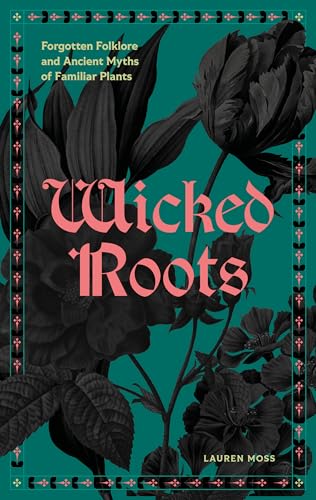
- Explores myths and magic surrounding plants
- Profiles mandrake, yew, fungi, hawthorn, and more
- Illustrated blend of folklore and nature writing
Best For: Readers interested in plant lore, herbalism, mythology, and nature
Best Irish Folklore Anthology
Irish Fairy Tales and Folklore

- More than 70 classic Irish stories
- Edited and compiled by W. B. Yeats
- 400 pages of fairies, banshees, and Irish lore
Best For: Readers seeking an extensive collection of classic Irish folklore
Witchcraft & Transformation

- World-spanning witch folklore
- Over 80 spooky illustrations
- Tarot and alchemy-inspired structure
Best For: Readers seeking an illustrated witch-lore gift book
Monsters & Cryptids

- Profiles over 50 creatures
- Illustrated monster compendium
- Covers global legends and cryptids
Best For: Horror and mythology readers who enjoy creature lore
Maritime Myths

- Sea myths and sailor traditions
- Phantom ships and sea creatures
- Includes rituals, weather lore, and talismans
Best For: Readers fascinated by nautical history and sea legends
Deluxe Mythology Classic – Timeless Gods and Heroes
Mythology (75th Anniversary Illustrated Edition): Timeless Tales of Gods and Heroes
Check Price On AmazonFor readers seeking foundational folklore books, Edith Hamilton’s Mythology offers a polished introduction to Greek, Roman, and Norse myths. This 75th-anniversary hardcover adds specially commissioned color artwork, illustrated lineages, and gold-bordered pages, making it particularly appealing as a display-worthy reference or gift.
Best For: Readers exploring major classical mythologies, collectors, and gift-givers.
Pros:
- Covers Greek, Roman, and Norse mythology in one volume.
- Includes specially commissioned full-color illustrations and lineages.
- Deluxe hardcover presentation suits collectors and gifting.
Cons:
- Its focus is limited to three major mythological traditions.
- At 2.98 pounds, it is less convenient for casual travel reading.
This is a strong choice when presentation matters as much as content. The substantial 384-page edition combines an established retelling with a collector-oriented design.
Japanese Folklore Guide – Spirits, Monsters, and Yokai
Among folklore books focused on a single culture, The Book of Japanese Folklore stands out as an illustrated guide to spirits, monsters, and yokai. It combines creature profiles, cultural context, traditional tale retellings, and connections to modern movies, anime, manga, and games.
Best For: Readers interested in Japanese folklore, yokai, and their influence on pop culture.
Pros:
- Profiles figures including kitsune, kappa, tanuki, and oni.
- Explains cultural significance alongside related traditional tales.
- Features four-color illustrations and stained edges.
Cons:
- Its 240-page format limits how extensively each entry can be explored.
- The subject is specifically Japanese folklore rather than a broad global survey.
This handsome 2024 volume is a practical pick for readers who want folklore explained through both history and current media. Its compact format also makes it easier to browse than a large reference tome.
Grimms’ Fairy Tale Treasury – Complete Classic Collection
For shoppers comparing folklore books for family reading or collecting, this deluxe hardbound edition presents a complete and unabridged collection of Grimms’ fairy tales. Along with familiar stories such as Cinderella and Rapunzel, it includes lesser-known tales and emphasizes enduring themes of courage, transformation, morality, and justice.
Best For: Families, collectors, readers aged 9 and up, and fans of traditional fairy tales.
Pros:
- Offers a complete, unabridged 760-page collection.
- Includes both famous tales and lesser-known stories.
- Works well for gifting, read-alouds, and classic-literature collections.
Cons:
- The 760-page hardbound volume may be bulky for younger readers.
- Traditional tales can include darker themes and peril.
This is the most substantial option here for readers who want breadth and a traditional storytelling experience. Its deluxe binding and extensive contents make it especially suitable for a home library.
American Cryptid Tour – Myths and Monsters by State
Readers looking for folklore books with a regional, nonfiction angle may enjoy The United States of Cryptids. This illustrated guide travels through all fifty states, examining creatures such as Bigfoot, Mothman, the Jersey Devil, and the Flatwoods Monster alongside sightings, local history, cultural context, and communities built around these legends.
Best For: Paranormal fans, road-trip planners, Halloween readers, and enthusiasts of American folklore.
Pros:
- Covers cryptids and legends from all fifty states.
- Combines sightings, history, cultural trivia, and illustrations.
- Explores festivals, museums, roadside attractions, and local pride.
Cons:
- Its focus is American cryptids rather than worldwide folklore.
- Readers seeking purely fictional stories may prefer a tale collection.
This is a lively choice for browsing rather than a traditional mythology anthology. The state-by-state structure gives it practical appeal for travelers and readers curious about the stories behind regional monster lore.
Best Illustrated Nordic Collection – Nordic Tales
For readers seeking folklore books with strong visual appeal, Nordic Tales combines 16 traditional stories from Norway, Sweden, Finland, Iceland, and Denmark with contemporary illustrations. Its hardcover presentation, ribbon marker, and full-page artwork make it especially practical as a gift or display-worthy collection.
Best For: Teens and adults who enjoy Nordic culture, mythology, fairy tales, and beautifully designed illustrated books.
Pros:
- Includes 16 traditional Nordic folktales from five countries.
- Features striking contemporary illustrations by Ulla Thynell.
- Deluxe hardcover format includes a satin ribbon page marker.
- Offers a varied mood, from cozy and humorous to chilling and adventurous.
Cons:
- At 168 pages, it is a curated selection rather than an extensive reference work.
- Its focus is specifically Nordic folklore, so it may not suit readers seeking global coverage.
Choose this collection when presentation matters as much as the stories themselves. It is a polished entry point to Nordic folklore and a strong option for gifting or collecting illustrated classics.
Best for Plant Lore – Wicked Roots
Wicked Roots is a distinctive choice among folklore books, focusing on the myths, rituals, and magical traditions connected to plants. Its illustrated profiles make the subject accessible to readers interested in nature writing, herbalism, mythology, and the cultural meanings of trees, flowers, and fungi.
Best For: Readers who want folklore centered on plants, natural history, magical traditions, and ancient myths.
Pros:
- Explores plant lore and mythology from around the globe.
- Covers memorable subjects including mandrake, yew, fly agaric, and hawthorn.
- Blends lyrical storytelling with research into legend and history.
- Includes illustrations alongside the plant profiles.
Cons:
- Its specialized plant focus may not appeal to readers seeking traditional folktale narratives.
- The supplied publication date is August 11, 2026, so availability may vary.
This is a focused, giftable volume for anyone drawn to the relationship between people and the natural world. Pick it instead of a general folklore anthology when plant symbolism and magical traditions are the main attraction.
Best Irish Folklore Anthology – Irish Fairy Tales and Folklore
For readers comparing folklore books by depth and traditional storytelling, Irish Fairy Tales and Folklore offers more than 70 classic Irish stories compiled and edited by W. B. Yeats. Its 400-page format provides a substantial collection featuring fairies, changelings, banshees, leprechauns, and other figures from Irish lore.
Best For: Readers seeking an extensive Irish folklore collection, Irish literature, and classic fairy stories.
Pros:
- Contains more than 70 classic Irish stories.
- Includes well-known subjects such as the Trooping Fairies, changelings, Tír-na-nÓg, and the Banshee.
- Compiled and edited by W. B. Yeats.
- Provides 400 pages of traditional Irish lore.
Cons:
- Its exclusive focus on Irish material may not suit readers wanting folklore from multiple regions.
- The substantial 2.31-pound format is less portable than a shorter collection.
This is the strongest fit for shoppers who want breadth within one cultural tradition. Choose it for a substantial Irish folklore shelf addition rather than a heavily illustrated or globally themed anthology.
Witchcraft & Transformation – The Book of Forgotten Witches
The Book of Forgotten Witches: Dark & Twisted Folklore & Stories from Around the World
Check Price On AmazonFor readers seeking richly presented folklore books with a witchcraft focus, The Book of Forgotten Witches combines stories of real and legendary witches from around the world with more than 80 spooky illustrations. Its hardcover format and themed structure make it especially appealing as a displayable gift.
Best For: Readers interested in witch lore, historical and legendary figures, illustrated gift books, and stories of magic, persecution, and empowerment.
Pros:
- Features witch stories from a wide range of world traditions.
- Includes more than 80 atmospheric illustrations.
- Organizes its 10 chapters around witch categories, Major Arcana cards, and alchemical stages.
- Substantial 358-page hardcover presentation.
Cons:
- Its specialized focus on witches may not suit readers seeking broader folklore coverage.
- The dark and spooky subject matter is not ideal for every reader.
This is a strong choice when visual presentation and witch-centered folklore matter as much as the stories themselves. The tarot and alchemy framework adds a distinctive interpretive layer beyond a straightforward collection of legends.
Monsters & Cryptids – Freaky Folklore
Freaky Folklore: Terrifying Tales of the World's Most Elusive Monsters and Enigmatic Cryptids
Check Price On AmazonFreaky Folklore is a lively option among folklore books for readers who prefer monsters, cryptids, and unsettling legends. It surveys more than 50 creatures, pairing accessible background on their history and culture with an illustration of each beast.
Best For: Horror fans, mythology readers, cryptid enthusiasts, and anyone who wants a visual introduction to frightening creatures from different traditions.
Pros:
- Covers more than 50 mythical creatures and cryptids.
- Includes examples from Mexican, Caribbean, Celtic, Māori, Japanese, and American traditions.
- Combines creature stories, cultural context, and illustrations.
- Offers an approachable 256-page compendium format.
Cons:
- Its emphasis is on fearsome beings rather than folklore more broadly.
- Readers wanting extended scholarly analysis may find the compendium format less in-depth.
Choose this book for breadth, visual appeal, and an entertaining tour through legendary creatures. Its range makes it well suited to browsing, while the creepy presentation gives it a clear horror-leaning identity.
Maritime Myths – Folklore of the Sea
For readers drawn to nautical traditions, Folklore of the Sea offers a focused alternative to general folklore books. This illustrated collection explores maritime myths, superstitions, rituals, weather lore, sea language, taboos, talismans, phantom ships, and legendary creatures.
Best For: Maritime-history enthusiasts, sailors, coastal readers, and anyone fascinated by eerie sea legends and the customs shaped by life at sea.
Pros:
- Covers both supernatural stories and practical maritime customs.
- Includes phantom ships, sea serpents, lighthouse lore, chanties, rituals, and weather traditions.
- Explains how sea lore developed in response to danger and continued across generations.
- Features brand-new illustrations by Philip Harris.
Cons:
- Its narrow maritime focus may not appeal to readers seeking folklore from many unrelated settings.
- At 196 pages, it is shorter than some illustrated folklore collections.
This is the most specialized choice in the roundup, with a strong emphasis on the relationship between sailors, danger, ritual, and the sea. It suits readers who value cultural context as much as eerie storytelling.
How We Picked These Folklore Books
We chose books that offer clear value for different kinds of readers rather than repeating the same type of collection. The lineup includes classic source material, illustrated introductions, regional folklore, encyclopedic references, and specialized themes such as plants, the sea, witches, and cryptids.
We also considered subject breadth, readability, visual appeal, usefulness as a reference, and how well each title suits its intended audience. Some are best read cover to cover, while others work better as books to browse and revisit.
Quick Comparison
| Best For | Recommended Type | What to Look For |
|---|---|---|
| Mythology beginners | Broad illustrated collections | Accessible explanations and visual storytelling |
| Classic fairy-tale readers | Complete or deluxe editions | Translation, edition quality, and durable binding |
| Regional culture enthusiasts | Country- or region-focused books | Geographic range and cultural context |
| Monster and mystery fans | Cryptid and dark folklore collections | Variety, atmosphere, and source notes |
| Reference-minded readers | Encyclopedic folklore books | Organization, definitions, indexes, and illustrations |
Key Buying Factors for Folklore Books
Scope and Cultural Coverage
Decide whether you want a worldwide overview or a deeper look at one tradition. Broad collections provide variety, while regional books can offer more context and detail about local beliefs, creatures, and storytelling customs.
Reading Level and Presentation
Some titles retell stories in a lively, modern style; others preserve older language or provide academic background. Illustrated editions are often especially approachable for younger readers, casual learners, and gift recipients.
Reference Features
If you plan to use a book for research or repeated browsing, prioritize a strong table of contents, glossary, index, source information, and consistent organization. A narrative collection may be more enjoyable for bedtime or leisure reading but less convenient for quick fact-checking.
Edition Quality
For classics and gift books, check the binding, paper quality, trim size, illustrations, and whether the edition is complete or abridged. Deluxe hardbound editions can make attractive keepsakes, while paperbacks are usually easier to carry and less expensive.
Who Should Buy Which Folklore Books?
Choose a broad mythology collection if you want an accessible starting point or a visually appealing introduction. Readers interested in traditional European storytelling should consider Grimm, Irish, or Nordic collections, while anyone studying Japanese spirits and yokai will benefit from a focused regional reference.
Cryptid collections suit readers who enjoy monsters, unexplained creatures, and American or global mysteries. Books about witches and darker traditions are better for mature readers seeking an atmospheric, unsettling experience. For an unusual thematic choice, plant and sea folklore collections connect myths to nature, travel, history, and everyday life.
When buying a gift, match the subject to the recipient’s existing interests and choose the format accordingly: illustrated editions for visual readers, comprehensive references for researchers, and curated story collections for readers who want immersive entertainment.