The best poetry anthologies for children make poetry approachable, memorable, and easy to share. This collection brings together playful verse, nature poems, classic selections, and guided introductions for different ages and reading styles.
Whether you are choosing a first poetry book, building a classroom library, or looking for poems to read aloud together, these 10 anthologies offer varied ways for young readers to discover rhythm, language, humor, and imagination.
Best 10 Poetry Anthologies for Children Picks for 2026
Best Imagination-Building Classic

- Funny poems and expressive drawings
- Imaginative scenarios for ages 5+
- Appeals to children and adults
Best For: Young readers who enjoy playful, unconventional poetry
Best Comprehensive Poetry Treasury
The Random House Book of Poetry

- Contains 572 poems
- Combines classic and modern selections
- Includes 400+ Arnold Lobel illustrations
Best For: Families wanting a broad, long-lasting poetry collection
Best Nature-Themed Collection

- 366 nature poems for daily reading
- Features many different poets
- Lavishly illustrated for shared reading
Best For: Seasonal poetry routines with young children
Best Family Read-Aloud Anthology

- More than 100 poems from five continents
- Organized around a child's world
- Includes Jon J Muth watercolor illustrations
Best For: Families introducing children to poetry together
Best Interactive Poetry Guide
A Child's Introduction to Poetry

- Explores major poets and poetic forms
- Includes downloadable audio
- Comes with a Jabberwocky poster
Best For: Interactive poetry learning for ages 8–12
Best Historical American Collection
The Oxford Illustrated Book of American Children's Poems

- Covers two centuries of American poetry
- Includes diverse poets and subjects
- Uses archival and period illustrations
Best For: History-rich read-alouds for ages 6–9
Best Single-Poet Introduction
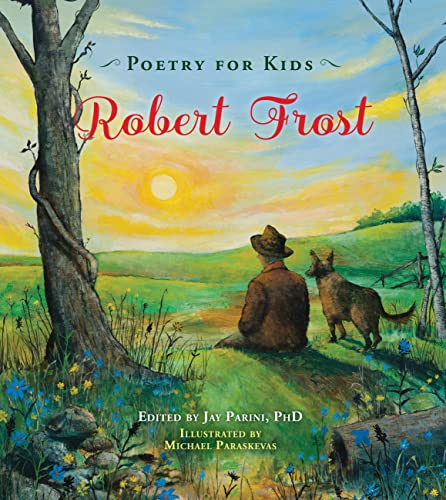
- Features 35 selected Frost poems
- Adds commentary and word definitions
- Includes colorful illustrations
Best For: Guided Frost reading for ages 8–14
Best Lifelong Keepsake
The Barefoot Book of Classic Poems

- 70 famous poems organized by life stages
- Luminous watercolor illustrations
- Includes an introduction by Carol Ann Duffy
Best For: Families seeking an illustrated poetry keepsake that can grow with a child
Best Read-Aloud Variety
The 20th Century Children's Poetry Treasury

- Includes 211 poems by 137 poets
- Covers humor and everyday childhood themes
- Common Core poetry exemplar for grades K–3
Best For: Families and classrooms seeking varied poems to read aloud
Best Broad Literary Introduction

- 344 pages of classic and contemporary poetry
- Includes Dickinson, Angelou, Frost, and Silverstein
- Features diverse and international poetry selections
Best For: Older children seeking a broad introduction to literature and poetry
Best Imagination-Building Classic – Where the Sidewalk Ends
For families seeking poetry anthologies for children with plenty of humor and imagination, Where the Sidewalk Ends is a lively choice. Shel Silverstein combines outrageously funny poems with distinctive drawings and surprising ideas, making this 176-page collection approachable for young readers and enjoyable for all ages.
Best For: Children ages 5 and up who enjoy silly, imaginative poems and illustrations.
Pros:
- Funny, imaginative poems suited to shared reading.
- Includes Silverstein’s distinctive drawings throughout.
- Broad appeal for children and adults.
Cons:
- Its unconventional humor may not suit every reader.
- The collection is less focused on traditional classic poetry.
This is an especially strong pick when entertainment and imagination matter more than formal poetry instruction. Its memorable characters, playful scenarios, and illustrations give children plenty to revisit.
Best Comprehensive Poetry Treasury – The Random House Book of Poetry
The Random House Book of Poetry for Children is a substantial introduction to poetry anthologies for children, collecting 572 poems selected by Jack Prelutsky. With classic and modern works plus more than 400 illustrations by Arnold Lobel, it offers families a wide variety of poems to explore.
Best For: Children ages 3 to 10 and families wanting a large, varied poetry collection.
Pros:
- Includes 572 poems in one volume.
- Mixes beloved classics with modern poems.
- Features more than 400 illustrations by Arnold Lobel.
Cons:
- Its 248-page format may feel large for casual carrying.
- The breadth of material can make choosing a starting point harder.
Choose this treasury when variety and longevity are priorities. It works well as a bookshelf reference for repeated read-alouds, independent browsing, and discovering different poetic styles.
Best Nature-Themed Collection – Sing a Song of Seasons
Families looking for poetry anthologies for children connected to the natural world may appreciate Sing a Song of Seasons. This lavishly illustrated 336-page collection offers 366 nature poems—one for every day of the year—from poets including William Shakespeare, Emily Dickinson, Langston Hughes, and John Updike.
Best For: Children ages 3 to 8 who enjoy nature, seasonal reading, and daily poetry rituals.
Pros:
- Provides one nature poem for every day of the year.
- Includes a wide variety of poets and perspectives.
- Designed for sharing with children and grown-ups.
Cons:
- At 4.76 pounds, it is notably heavy.
- Its large format may be less convenient for travel.
The daily structure makes this a natural fit for bedtime, morning, or classroom routines. It is a strong choice for readers who want poetry connected to seasons and outdoor observation.
Best Family Read-Aloud Anthology – A Family of Poems
A Family of Poems is designed for shared discovery, making it a thoughtful option among poetry anthologies for children. Curated by Caroline Kennedy, the 144-page collection presents more than 100 poems from five continents, with watercolor illustrations by Jon J Muth and introductions that organize the selections around a child’s world.
Best For: Families seeking an illustrated, cross-cultural poetry introduction for children ages 3 to 10.
Pros:
- Includes more than 100 poems from five continents.
- Organizes selections into child-centered sections.
- Features sumptuous watercolor illustrations by Jon J Muth.
Cons:
- It contains fewer poems than the larger treasury-style anthologies.
- The family-focused presentation may be less suited to readers seeking a strictly chronological collection.
This volume stands out for its presentation and shared-reading focus. Its introductions, global selection, and artwork make it a welcoming keepsake for families beginning a long-term relationship with poetry.
Best Interactive Poetry Guide – A Child's Introduction to Poetry
For families searching for poetry anthologies for children that also explain how poetry works, A Child’s Introduction to Poetry offers a multimedia learning experience. It introduces children to major poets, poetic forms, and memorable examples, with downloadable audio and a removable Jabberwocky poster.
Best For: Children ages 8–12 who benefit from listening, visual materials, and broad introductions to poetry.
Pros:
- Covers poets ranging from Homer and Shakespeare to Langston Hughes and Maya Angelou.
- Introduces many forms, including epics, odes, nonsense verse, and haikus.
- Includes downloadable audio and a removable fold-out Jabberwocky poster.
Cons:
- Its 96-page format provides an introduction rather than an exhaustive anthology.
- The multimedia elements may be less useful for readers seeking only a traditional print collection.
This is a strong choice when you want poetry anthologies for children to feel active and approachable. Its wide scope and listening component make it especially useful for shared reading and early poetry exploration.
Best Historical American Collection – The Oxford Illustrated Book of American Children's Poems
The Oxford Illustrated Book of American Children’s Poems is a fitting pick for readers seeking poetry anthologies for children with historical breadth. Edited by Donald Hall, it traces American children’s poetry across two centuries and pairs classic and contemporary selections with archival and period-inspired illustrations.
Best For: Children ages 6–9, families, and teachers looking for a diverse, history-rich read-aloud collection.
Pros:
- Spans Native American verses, early primers, 19th-century favorites, and modern poetry.
- Includes poems for holidays, bedtime, recitation, laughter, animals, and more.
- Features poets including Emily Dickinson, Robert Frost, Gwendolyn Brooks, Langston Hughes, and Shel Silverstein.
Cons:
- Its historical focus may feel less contemporary to readers wanting only recent poems.
- The 100-page collection offers selected highlights rather than a comprehensive survey.
Choose this anthology when variety, cultural range, and historical context matter as much as familiar favorites. Its illustrations and broad subject coverage make it well suited to classroom use or family read-alouds.
Best Single-Poet Introduction – Poetry for Kids: Robert Frost
For readers who prefer poetry anthologies for children centered on one accessible poet, Poetry for Kids: Robert Frost offers 35 selected poems with colorful illustrations and helpful explanations. It presents well-known works alongside commentary, key-word definitions, and an introduction to Frost’s life.
Best For: Young readers ages 8–14 who are beginning to study Robert Frost or want guided access to classic poetry.
Pros:
- Includes recognizable poems such as “The Road Not Taken” and “Stopping by Woods on a Snowy Evening.”
- Provides commentary and definitions of key words for each poem.
- Uses illustrations to support the poems and introduce Frost’s imagery.
Cons:
- Its single-poet focus offers less variety than a broad anthology.
- With 48 pages, it contains a relatively compact selection.
This collection works particularly well when a child needs a welcoming entry point to Frost rather than a survey of many poets. The notes and vocabulary support make it useful for independent reading, discussion, or guided study.
Best Lifelong Keepsake – The Barefoot Book of Classic Poems
For shoppers seeking poetry anthologies for children that can grow with a reader, The Barefoot Book of Classic Poems is a strong choice. Its 70 famous poems are organized by life stages and paired with luminous watercolor illustrations, making this a substantial introduction to classic English-language poetry.
Best For: Families wanting an illustrated poetry keepsake for children ages 8–12 and beyond.
Pros:
- Includes 70 iconic poems from poets such as Shakespeare, Stevenson, Milton, and Moore.
- Arranges poems by life stages and explores a broad range of human experiences.
- Features luminous watercolor artwork and an introduction by UK Poet Laureate Carol Ann Duffy.
Cons:
- Its 128-page format and 2.31-pound weight may feel substantial for younger children.
- The listed reading and grade ranges begin at ages 8 and grade 3.
This is particularly appealing as a gift or shared family volume: the classic selections and durable, bookshelf-worthy presentation are designed to remain relevant well beyond the early reading years.
Best Read-Aloud Variety – The 20th Century Children's Poetry Treasury
If you want poetry anthologies for children that encourage frequent reading aloud, The 20th Century Children’s Poetry Treasury offers 211 poems across many familiar childhood subjects. Selected by Jack Prelutsky and illustrated with watercolors by Meilo So, it is built for sharing with children and the whole family.
Best For: Families and classrooms looking for lively, varied poems for preschool through grade 3.
Pros:
- Collects 211 poems from 137 poets.
- Covers topics including school, siblings, monsters, food, seasons, and childhood moods.
- Selected by Jack Prelutsky and illustrated by award-winning watercolorist Meilo So.
- Recognized as a Common Core State Standards Text Exemplar for poetry in grades K–3.
Cons:
- The collection focuses on poets and poetry from the 20th century.
- At 96 pages, it is shorter than some large-format anthology volumes.
Its broad subject range and read-aloud orientation make it an accessible everyday collection, especially for younger children who enjoy humor, silliness, and poems about ordinary experiences.
Best Broad Literary Introduction – A Child's Anthology of Poetry
For readers comparing poetry anthologies for children with substantial literary range, A Child’s Anthology of Poetry combines classic children’s favorites with modern and contemporary international poetry. The 344-page collection spans poets from Robert Frost and Emily Dickinson to Maya Angelou and Shel Silverstein.
Best For: Children ages 8–12 and families seeking a wide-ranging introduction to poetry and literature.
Pros:
- Offers a well-rounded selection of classic, modern, and contemporary poems.
- Includes poets such as Frost, Angelou, Silverstein, Dickinson, Blake, Carroll, Bishop, and Roethke.
- Provides 344 pages of poetry with artwork by Tom Pohrt.
- Emphasizes the fun and diversity of poetry, including international voices.
Cons:
- The extensive 344-page selection may be more than younger or newer readers need at once.
- The supplied details list a reading age of 8–12, rather than an early-childhood range.
This is the most substantial option of the three for readers who want breadth and literary context in one volume. Its mix of familiar favorites and more challenging selections supports browsing, shared reading, and gradual discovery.
How We Picked the Best Poetry Anthologies for Children
We evaluated these collections for the quality and variety of their poems, age-appropriate presentation, illustration and design, read-aloud appeal, and usefulness across home, classroom, and independent reading. We also considered whether each anthology offers a clear focus, such as nature, American poetry, classic literature, a single major poet, or an accessible introduction to poetic techniques.
Because children develop different interests and reading abilities, the list includes both broad collections and more specialized books. Some are ideal for short daily readings, while others work better as reference-style introductions or themed additions to a growing bookshelf.
Quick Comparison
| Best For | What to Look For |
|---|---|
| First poetry collection | Short, lively poems and engaging illustrations |
| Daily family reading | A wide selection or a poem for each day |
| Learning about poetry | Introductions, notes, explanations, or author context |
| Classic literature | Well-established poems from varied periods and voices |
| Nature lovers | Seasonal subjects, animals, weather, and outdoor imagery |
| Focused exploration | A dedicated collection from one poet or literary tradition |
Key Buying Factors for Poetry Anthologies for Children
Age and Reading Level
Check whether the book is designed for read-aloud sharing, emerging readers, or older children ready for more complex language. A challenging anthology can be rewarding, but younger readers usually benefit from concise poems, clear layouts, and strong visual support.
Range of Voices and Styles
A broad anthology may include rhyming verse, free verse, humorous poems, narrative poems, and selections from different cultures and periods. Variety helps children discover what they enjoy instead of associating poetry with only one style.
Illustrations and Format
Illustrations can provide an entry point for younger children and add atmosphere to read-aloud sessions. Consider page size, typography, durability, and whether the book is comfortable to browse casually or use repeatedly in a classroom.
Teaching Support
If the book is intended for lessons or independent study, look for introductions, definitions, author notes, discussion prompts, or explanations of poetic devices. These features can make unfamiliar poems more approachable without replacing the pleasure of reading them.
Who Should Buy Which Poetry Anthologies for Children?
Choose Where the Sidewalk Ends or The Random House Book of Poetry for Children for a lively starting point with broad family appeal. Sing a Song of Seasons is a natural fit for daily reading, seasonal activities, and children who enjoy the outdoors.
For readers who want context and guidance, A Child’s Introduction to Poetry offers a structured way to explore how poetry works. Families seeking a wide literary range may prefer A Family of Poems or A Child’s Anthology of Poetry. The Oxford and 20th-century collections suit older children, teachers, and readers building a deeper historical overview.
For focused interests, choose Poetry for Kids: Robert Frost for an introduction to one influential poet, or The Barefoot Book of Classic Poems for an illustrated selection of enduring favorites. The best choice ultimately depends on the child’s age, attention span, favorite subjects, and whether the book will be read aloud, studied, or explored independently.