The best modern poetry anthologies make it easier to explore major movements, voices, and styles without buying dozens of individual collections. This selection spans landmark academic references, approachable introductions, and contemporary-focused volumes.
Whether you are studying twentieth-century poetry, expanding your reading list, or choosing a thoughtful gift, the right anthology should match your preferred scope, depth, and level of critical guidance.
Best 10 Modern Poetry Anthologies Picks for 2026
Best Broad Survey
Twentieth-Century American Poetry

- Rita Dove’s curated selection
- Broad range of American voices
- 599-page paperback volume
Best For: Readers wanting an expansive American poetry survey
Best Accessible Introduction

- 100 widely recognized poems
- Brief notes add context
- Compact 320-page collection
Best For: New readers and students building a modern poetry foundation
Best Contemporary American Range

- Focuses on American poetry
- 656-page revised edition
- Includes Bishop, Ashbery, and Glück
Best For: Readers exploring diverse contemporary American poets
Best Scholarly Reference

- 1,865 pages of poetry
- American and British writers
- Designed for extensive study
Best For: Students and dedicated readers needing maximum coverage
Broad Contemporary American Voices
- Features 110 important American poets
- Includes 400 pages of poetry
- Strong choice for broad contemporary U.S. coverage
Best For: Readers exploring a wide range of contemporary American poets
Essential Voices Since 1900

- Surveys poetry from 1900 onward
- Includes Eliot, Plath, Hughes, and Yeats
- Adds commentary on themes and backgrounds
Best For: Readers seeking an accessible introduction to major modern poets
Guided and Eclectic Reading

- Uses themes instead of a period-by-period survey
- Pairs canonical and contemporary works
- Includes commentary and writing prompts
Best For: Students, teachers, and active poetry readers
Most Comprehensive
The Norton Anthology of Modern and Contemporary Poetry

- 1,596 poems by 195 poets
- Covers late nineteenth century to the twenty-first century
- Includes diverse, experimental, and postcolonial traditions
Best For: Students and readers seeking the broadest English-language survey
Best for American Poetry Courses
Anthology of Modern American Poetry: Volume 1
- Features more than 90 American poets
- Includes detailed annotations and illustrated selections
- Covers long poems and poem sequences
Best For: Students and instructors studying modern American poetry
Best Contemporary Snapshot
AWAKE Best Contemporary Poetry Anthology

- Features emerging and award-winning global poets
- Explores personal and sociopolitical themes
- Compact 51-page digital anthology with art
Best For: Readers wanting a brief contemporary poetry sampler
Best Broad Survey – Twentieth-Century American Poetry
For readers seeking modern poetry anthologies with breadth, The Penguin Anthology of Twentieth-Century American Poetry offers Rita Dove’s selection of significant American poems from the past hundred years. Its range of styles, voices, themes, and cultures makes it a substantial introduction to modern American poetry.
Best For: Readers who want a wide-ranging American poetry survey and a substantial volume for repeated reading.
Pros:
- Selected and introduced by Pulitzer Prize winner Rita Dove.
- Represents varied aesthetic styles, voices, themes, and cultures.
- Includes poets such as Mary Oliver, Gwendolyn Brooks, John Ashbery, and Terrance Hayes.
Cons:
- At 599 pages, it may be more extensive than casual readers need.
- Its focus is American poetry rather than an international overview.
This is a strong choice when you want one cohesive, substantial collection centered on twentieth-century American poetry, with enough variety to support both discovery and close study.
Best Accessible Introduction – 100 Essential Modern Poems
100 Essential Modern Poems is a practical pick for readers comparing modern poetry anthologies and looking for a compact collection. Joseph Parisi combines classic and contemporary poems in English, with brief biographical and critical notes that provide useful context.
Best For: Newcomers, students, and readers who want a manageable selection of widely recognized modern poems.
Pros:
- Collects 100 poems in a relatively compact 320-page volume.
- Includes poets from W. H. Auden and T. S. Eliot to Sylvia Plath, Mary Oliver, and Billy Collins.
- Brief introductions accompany each poem.
Cons:
- Its 100-poem format cannot provide the depth of a larger anthology.
- The selection spans English-language poetry rather than focusing on one national tradition.
Choose this anthology if you value approachability and context over sheer scale. It works well as a starting point or a portable refresher of influential modern poems.
Best Contemporary American Range – Vintage Contemporary Poetry
Among modern poetry anthologies, The Vintage Book of Contemporary American Poetry stands out for its focus on American poetry from the past forty years represented in the collection. Its regional scope and broad roster make it useful for readers who want to explore the varied directions of contemporary American verse.
Best For: Readers seeking a substantial contemporary American collection with extensive poet coverage.
Pros:
- Offers a wide-ranging collection drawn from across the United States.
- Includes major poets such as Elizabeth Bishop, John Ashbery, Adrienne Rich, and Louise Glück.
- Features a 656-page revised edition.
Cons:
- Its emphasis on contemporary American poetry is narrower than a general modern poetry anthology.
- The large selection may feel less concise for readers seeking only essential poems.
This revised anthology is a compelling option for readers who want depth and variety within American poetry, especially when contemporary range matters more than a short introductory format.
Best Scholarly Reference – Norton Modern Poetry
Norton Anthology of Modern Poetry is the largest option among these modern poetry anthologies, with 1,865 pages devoted to works by American and British writers. Its scale makes it suited to sustained study of how modern poetry developed across these two literary traditions.
Best For: Students, instructors, and dedicated readers who need an extensive American and British modern poetry reference.
Pros:
- Provides an extensive 1,865-page collection.
- Covers both American and British writers.
- Its breadth supports research and long-term study.
Cons:
- At three pounds, it is less convenient for casual or portable reading.
- Its 1988 publication date makes it older than the other listed editions.
- The substantial scope may overwhelm readers seeking a brief introduction.
For serious study, this is the volume to consider when coverage and reference value matter most. Readers wanting newer or more compact selections may prefer one of the other anthologies.
Broad Contemporary American Voices – Contemporary American Poetry
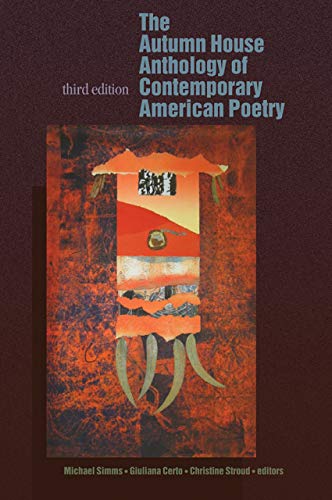
For readers seeking modern poetry anthologies centered on American writing, Autumn House Anthology of Contemporary American Poetry offers a substantial selection from 110 important poets. Its 400-page format makes it a strong choice for extended reading and exploration.
Best For: Readers who want a broad collection of contemporary American poets.
Pros:
- Features work by 110 American poets.
- Includes widely recognized voices such as Rita Dove, Billy Collins, Lucille Clifton, and Terrance Hayes.
- Provides 400 pages of poetry for sustained browsing.
Cons:
- Its focus is contemporary American poetry rather than a globe-spanning selection.
- The large range of contributors may feel less focused than a themed anthology.
Choose this anthology when breadth within American contemporary poetry matters most. It is especially useful for readers building familiarity with many poets in one volume.
Essential Voices Since 1900 – Great Modern Poets
The Great Modern Poets: An anthology of the essential poets and poetry since 1900
Check Price On AmazonThe Great Modern Poets is a practical entry point for readers comparing modern poetry anthologies across the major literary movements and voices since 1900. It combines selected poems with commentary from Michael Schmidt on themes and the backgrounds of the poets.
Best For: Readers wanting an introductory survey of major poets from the twentieth century onward.
Pros:
- Covers poetry since 1900.
- Includes poets such as T.S. Eliot, Sylvia Plath, Langston Hughes, W.B. Yeats, and Derek Walcott.
- Provides contextual insight into themes and poetic backgrounds.
Cons:
- Its emphasis on essential and significant poets may leave less room for newer or lesser-known voices.
- The supplied edition is a digital book, which may not suit readers seeking a print anthology.
This is a sensible pick for newcomers who want representative poems alongside explanatory context. The 334-page digital edition offers a guided way to sample a broad modern canon.
Guided and Eclectic Reading – The Poetry Reader
Among modern poetry anthologies, The Poetry Reader stands out for its thematic, discussion-oriented approach. Rather than surveying periods, it places traditional and contemporary poems side by side, with section notes and prompts that support thoughtful reading or classroom use.
Best For: Students, teachers, and readers who want guidance for interpreting and discussing poetry.
Pros:
- Organizes selections around topics and poetic practices such as identity, metaphor, and spirituality.
- Includes poets ranging from Sappho and Shakespeare to Layli Long Soldier and Mukoma wa Ngugi.
- Offers critical commentary plus discussion and writing suggestions.
Cons:
- At 240 pages, it is more compact than comprehensive survey anthologies.
- Its thematic structure may not suit readers seeking a chronological literary history.
Select this anthology if you want poetry presented as an ongoing conversation rather than a timeline. Its prompts and framing make it particularly practical for active study, teaching, and writing practice.
Most Comprehensive – The Norton Anthology of Modern and Contemporary Poetry
For readers seeking broad coverage in modern poetry anthologies, The Norton Anthology of Modern and Contemporary Poetry offers a substantial survey of English-language poetry from the late nineteenth century through the twenty-first century. Its two-volume paperback edition includes 1,596 poems by 195 poets, with representation spanning major figures, ethnic American poetries, experimental traditions, postcolonial poetry, and long poems.
Best For: Students, instructors, and readers who want a wide-ranging English-language overview of modern and contemporary poetry.
Pros:
- Includes 1,596 poems by 195 poets.
- Covers poetry from Walt Whitman and Thomas Hardy through Anne Carson and Sherman Alexie.
- Gives substantial space to diverse, experimental, postcolonial, and long-form traditions.
Cons:
- The 1,136-page print edition is substantial and weighs about 2.3 pounds.
- Its broad scope may be more than casual readers need.
This is the strongest choice when range and historical breadth matter most. The extensive selection makes it particularly useful as a reference or course companion, while the coverage of varied poetic traditions adds depth beyond a narrowly canonical collection.
Best for American Poetry Courses – Anthology of Modern American Poetry: Volume 1
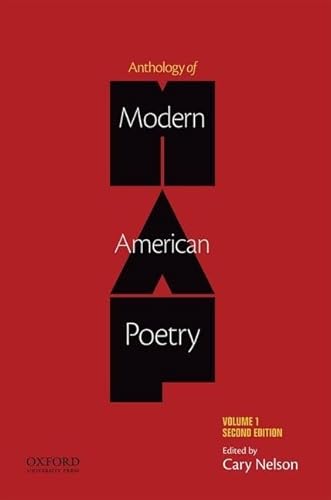
Among modern poetry anthologies focused specifically on the United States, this second edition provides a detailed collection of work by more than ninety American poets born before 1910. It combines canonical and lesser-known selections with attention to women, minority, Native American, and progressive writers, making it well suited to structured study.
Best For: Courses and independent study in modern American poetry, American literature, and American studies.
Pros:
- Features more than ninety American poets born before 1910.
- Includes canonical and previously underrepresented writers.
- Offers detailed annotations and coverage of American long poems and poem sequences.
Cons:
- Its focus is American poetry rather than a global or fully English-language survey.
- Volume 1 concentrates on poets born before 1910.
Choose this anthology when context and classroom usefulness are priorities. The annotations, illustrated selections, and treatment of long poems make it a particularly practical option for readers who want more than an undirected selection of poems.
Best Contemporary Snapshot – AWAKE Best Contemporary Poetry Anthology
For readers who prefer a shorter, current-feeling selection, NY Literary Magazine’s “AWAKE” offers modern poetry by emerging and award-winning poets from around the world. This 51-page digital anthology ranges across themes including loss, life and death, society, love, and religion, and also includes art.
Best For: Casual readers who want a compact contemporary poetry sampler with international voices and varied themes.
Pros:
- Includes both emerging and award-winning poets from around the world.
- Covers personal, sociopolitical, religious, and relationship-focused themes.
- Compact 51-page digital format with accompanying art.
Cons:
- Its 51-page length provides less breadth than the major academic anthologies.
- Enhanced typesetting, X-Ray, Word Wise, and Page Flip are not enabled.
- The supplied edition is a digital publication rather than a print-focused volume.
AWAKE is best viewed as an accessible contemporary sampler rather than a comprehensive reference. Its short format makes it easy to explore varied voices and subjects without committing to a large academic anthology.
How We Picked These Modern Poetry Anthologies
We focused on anthologies with clear value for readers, students, teachers, and poetry collectors. The selection considers editorial reputation, historical or contemporary coverage, range of included poets, usefulness of introductions and notes, and how well each book serves its intended audience. Because “modern poetry” can refer to different periods and traditions, this list includes broad surveys alongside volumes centered on American or contemporary poetry.
We also considered practical factors such as length, portability, likely reading difficulty, and whether a book works best as a reference volume or as a cover-to-cover reading experience.
Quick Comparison
| Best For | Look For |
|---|---|
| Students and researchers | Major academic anthologies with notes, introductions, and broad historical coverage |
| New poetry readers | Accessible selections, concise context, and a manageable scope |
| American poetry enthusiasts | Strong representation of twentieth-century and contemporary U.S. poets |
| Readers seeking newer voices | Contemporary-focused collections with recent and diverse contributors |
| Collectors and gift buyers | Well-designed editions with durable bindings and attractive presentation |
Key Buying Factors for Modern Poetry Anthologies
Coverage and Scope
Check the time period and geographic focus before buying. A volume covering poetry since 1900 may provide a sweeping overview, while an anthology of contemporary American poetry offers more depth within a narrower field. If you want international or translated work, confirm that the contents extend beyond American writers.
Editorial Guidance
Introductions, poet biographies, annotations, glossaries, and bibliographies can make a major difference for students and newcomers. Readers who already know the major movements may prefer a collection that prioritizes breadth and poems over extensive commentary.
Selection and Representation
Compare tables of contents when possible. Look for a balance of canonical figures, overlooked writers, different poetic forms, and varied cultural perspectives. No single anthology can represent the entire modern tradition, so pairing a historical survey with a contemporary collection can offer a fuller view.
Format and Usability
Large scholarly editions are valuable reference tools but may be heavy to carry. Consider paperback versus hardcover, print size, page count, and whether the book will be used for close study, casual browsing, classroom work, or travel.
Who Should Buy Which Modern Poetry Anthologies?
Choose a comprehensive Norton or Penguin volume if you want an authoritative foundation, substantial historical context, and a dependable reference for coursework or serious independent study.
Choose a concise essential-poems collection if you are new to modern poetry or want a readable starting point that introduces important authors without the size of a major academic anthology.
Choose an American or contemporary-focused anthology if your interests center on U.S. poetry, postwar writing, or newer voices. These books can complement a broader survey by providing greater depth in a particular tradition.
Choose a general poetry reader or curated literary collection if you value variety and discovery over a strict historical framework. These are often suitable for casual reading, book clubs, and gifts.
Before ordering, check the edition, publication date, contents, and available format. A newer edition may improve representation or supporting material, while an older edition can still be worthwhile when its editorial approach and included poets match your goals.