The best board games for families make it easy for different ages and skill levels to enjoy the same activity. This roundup covers fast card games, classic favorites, word challenges, dexterity games, and deeper strategy options.
Use the guide below to compare player counts, recommended ages, play styles, and the features that matter most when choosing a game for family game night.
Best 10 Board Games for Families Picks for 2026
Classic Pick

- Supports 2–10 players
- Customizable Wild Cards
- Color-identifying graphic symbols
Best For: Large family groups and casual game nights
Strategy Favorite

- Trade and build toward 10 points
- Modular board adds replayability
- Designed for 3–4 players ages 10+
Best For: Families who enjoy strategic competition
Classic Dice Pick

- For 2 or more players
- Includes shaker and five dice
- Mixes luck with strategic choices
Best For: Portable family game nights and quick rounds
Social Party Pick

- For 2–6 players ages 6+
- Uses yes-or-no guessing
- Includes headbands, cards, timer, and badges
Best For: Interactive family gatherings and quick party rounds
Classic Pop-and-Play Pick
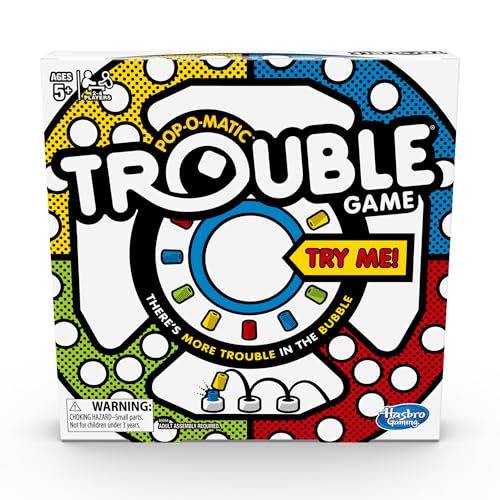
- Easy setup and simple racing rules
- Pop-O-Matic die roller adds hands-on fun
- Supports 2-4 players ages 5 and up
Best For: Younger family game nights and playdates
Fast Wordplay Favorite

- Timed category-and-letter word challenges
- Offers 144 categories for replayability
- Portable design supports 2-8 players
Best For: Energetic family groups and short game sessions
Classic Take-That Race
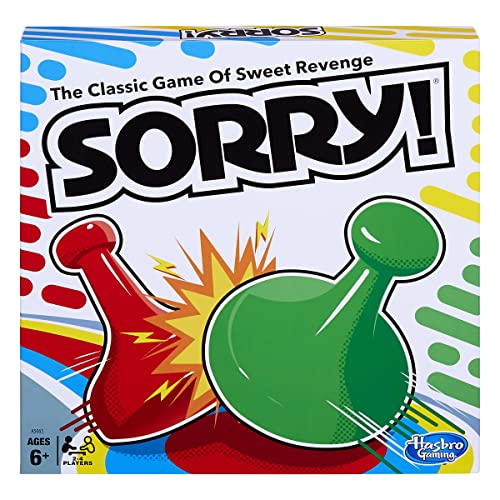
- Race pawns home using cards and strategy
- Slides and collisions create lively interaction
- Designed for 2-4 players ages 6 and up
Best For: Competitive family game nights with school-age children
Best for Fast Family Fun

- Classic stacking with 54 hardwood blocks
- Six optional digital challenges
- Works for solo play, parties, and travel
Best For: Families wanting quick, suspenseful play for ages 6+
Best for Wordplay and Strategy

- Includes 100 wooden letter tiles
- Premium squares reward strategic placement
- Supports two to four players or teams
Best For: Families ages 8+ who enjoy vocabulary and thoughtful play
Best for Kids' Skill Practice

- Tweezers-based fine-motor challenge
- Buzzer and flashing nose add humor
- Solo or group play in about 20 minutes
Best For: Children ages 6+ who prefer hands-on action games
Classic Pick – UNO Card Game
For families looking for approachable board games for families, UNO offers familiar matching rules with enough action cards and customizable options to keep repeat games lively. It supports 2 to 10 players ages 7 and up.
Best For: Large family groups, casual game nights, and players who want a quick-to-learn card game.
Pros:
- Supports 2 to 10 players.
- Action, Wild, and Reverse Cards add changing challenges.
- Includes three blank Wild Cards for house rules.
- Special graphic symbols help identify colors for color-blind players.
Cons:
- Recommended for ages 7 and up.
- The supplied notes do not specify an estimated playing time.
UNO is a flexible choice when player count varies, and its customizable cards give families an easy way to add their own rules. The score-to-500 format also provides an option for longer play.
Strategy Favorite – CATAN Board Game
CATAN is a strategy-focused option among board games for families, asking players to gather resources, trade, and build toward 10 victory points. Its modular board creates a different island layout from game to game.
Best For: Families with players ages 10 and up who enjoy resource management, trading, and longer competitive sessions.
Pros:
- Modular hexagonal board supports replayability.
- Combines trading, building, and resource management.
- Includes components for 3 to 4 players.
- Estimated playing time is 60 to 90 minutes.
Cons:
- Designed for 3 to 4 players; the 5–6 player extension is sold separately.
- Its 10+ recommendation and strategic mechanics may not suit younger children.
CATAN works best when your group has time for a deeper game and enjoys negotiating decisions. The changing board layout helps keep repeated sessions from feeling identical.
Classic Dice Pick – Yahtzee Game
Yahtzee is a compact, familiar choice for board games for families, combining dice luck with decisions about when to pursue straights, full houses, or five-of-a-kind combinations. It is designed for ages 8 and up and two or more players.
Best For: Families wanting a portable dice game with simple turns and room for strategic risk-taking.
Pros:
- Supports 2 or more players.
- Classic roll-and-score gameplay is easy to revisit.
- Players choose when to risk rolls for stronger combinations.
- Includes a shaker and five dice.
Cons:
- Recommended for ages 8 and up.
- Gameplay relies on dice rolls, so outcomes can be unpredictable.
Yahtzee is a practical pick for families who want a small, portable game that mixes chance with scoring choices. Its straightforward format makes it suitable for quick rounds or repeated play.
Social Party Pick – Hedbanz Guessing Game
Hedbanz brings a social, question-driven format to board games for families. Players wear headbands, ask yes-or-no questions, and race to identify their picture cards, with a stated play time of about 20 minutes.
Best For: Families with children ages 6 and up who prefer interactive, screen-free guessing games.
Pros:
- Supports 2 to 6 players.
- Simple yes-or-no question format is quick to learn.
- Includes six headbands, 69 picture cards, a timer, and scoring badges.
- Encourages deduction, communication, turn-taking, and social interaction.
Cons:
- Designed for ages 6 and up, so very young children may not be included.
- The picture-guessing format may be less appealing to players seeking strategic board play.
Hedbanz is a strong choice when the goal is conversation and shared laughs rather than a complex ruleset. Its short format makes it easy to fit into a family gathering or rotate through multiple rounds.
Classic Pop-and-Play Pick – Trouble
For families seeking approachable board games for families, Trouble offers familiar racing gameplay with an easy setup and a memorable Pop-O-Matic die roller. It supports two to four players, takes about 30 minutes, and is designed for ages 5 and up.
Best For: Family game nights with younger children who enjoy simple, hands-on racing games.
Pros:
- Easy to learn and quick to set up
- Pop-O-Matic roller keeps the die contained and adds tactile fun
- Includes classic rules plus an optional Power Up Spaces variation
- Works for two to four players
Cons:
- Its luck-based racing format may feel limited for players seeking deeper strategy
- Recommended for ages 5 and up, so it may not suit very young children
Trouble is a practical choice when you want a recognizable family game with minimal rules and a lively physical feature. The optional variation adds some extra challenge without making the game difficult to learn.
Fast Wordplay Favorite – Original Tapple
Tapple brings quick, verbal competition to the roundup of board games for families. Players choose a category, start the built-in timer, name a related word beginning with an available letter, and press that letter tab. It plays in about 15 minutes for two to eight players ages 8 and up.
Best For: Families and groups who prefer energetic word games with short rounds and plenty of replay value.
Pros:
- Fast-paced format keeps rounds moving
- Includes 144 categories across 36 cards
- Portable wheel stores the category cards for travel and storage
- Encourages vocabulary and word association
Cons:
- Players need to be comfortable responding quickly under a timer
- Recommended for ages 8 and up, which limits play with younger children
Tapple is a strong fit for households that want a compact, replayable party game rather than a traditional board layout. Its large player range also makes it useful for family gatherings and casual group play.
Classic Take-That Race – Sorry!
Sorry! is a classic option among board games for families, combining a race to home with card-driven moves and direct player interaction. Designed for two to four players ages 6 and up, it adds suspense through slides, collisions, and the chance to send opponents back to start.
Best For: Families who enjoy competitive racing games with simple rules, strategic choices, and playful take-that moments.
Pros:
- Easy-to-recognize race-to-home objective
- Card draws create varied movement possibilities
- Sliding and sending pawns back adds interaction
- Includes gameplay elements that support critical thinking and strategy
Cons:
- Directly sending opponents back may frustrate players who prefer cooperative play
- Supports only two to four players
- Small parts require attention around young children
Sorry! suits families looking for a familiar, competitive game with more player interaction than a straightforward roll-and-move race. Its compact player count and age recommendation make it especially appropriate for small family groups with children six and older.
Best for Fast Family Fun – Jenga Game with Digital Die
For families seeking board games for families that are quick to learn and easy to replay, this Jenga set combines classic wooden-block stacking with optional digital challenges. It works for solo play, family game night, parties, and travel.
Best For: Families with children ages 6 and up who enjoy suspenseful, active party games.
Pros:
- Includes 54 genuine hardwood blocks and a stacking sleeve for setup and storage.
- Optional digital die adds six challenges, including timed play and thumbs-only turns.
- Supports solo play as well as group entertainment.
Cons:
- Digital challenges require scanning a QR code and using a phone or web app.
- The tower can be difficult for younger children who are still developing fine motor control.
Choose this Jenga edition if your household wants a familiar game with flexible play modes. The digital die adds variety, while the compact packaging makes it convenient to store or take along.
Best for Wordplay and Strategy – Classic Scrabble Board Game
This Scrabble edition is a strong choice among board games for families when players enjoy vocabulary, planning, and a longer game-night format. It supports two to four players, including head-to-head and team play.
Best For: Families with children ages 8 and up who enjoy word games and strategic scoring.
Pros:
- Includes 100 wooden letter tiles, four wooden racks, a textured board, and a drawstring tile bag.
- Premium squares create strategic scoring opportunities.
- Can be played head-to-head or in teams, with expert tips included in the guide.
Cons:
- Its approximately 40-minute playing time may be lengthy for some younger players.
- Requires players to read, spell, and understand point-based scoring.
Scrabble is best suited to families looking for a classic indoor game that encourages word building and repeat play. The wooden components and textured board add a traditional tabletop feel.
Best for Kids' Skill Practice – Electronic Operation Game
For families comparing board games for families aimed at younger children, Operation offers simple rules, hands-on play, and a funny electronic response. Players remove ailment pieces with tweezers while trying not to trigger the buzzer.
Best For: Children ages 6 and up who enjoy short, skill-based games they can play alone or with friends.
Pros:
- Fine-motor challenge uses tweezers to remove 12 Funatomy parts.
- The buzzer and flashing red nose create an engaging, unpredictable response.
- Supports solo play and group games, with an estimated 20-minute playing time.
Cons:
- Requires two AA alkaline batteries.
- Small game pieces may require supervision around younger children.
Operation is a practical pick for families who want an accessible game with a clear objective and limited play time. Its coordination-focused gameplay also makes it a lively birthday or holiday gift.
How We Picked the Best Board Games for Families
We selected games that offer broad family appeal, recognizable rules, replay value, and a good match for different ages and group sizes. The list includes short games for casual play, competitive classics, cooperative-feeling party options, and strategy games for families ready for longer sessions.
We also considered setup time, player count, learning curve, interaction, and whether a game works well with mixed experience levels. Age recommendations are useful starting points, but younger players may need help with reading, counting, strategy, or fine motor skills.
Quick Comparison
| Game type | Best for | Typical player range | Play style |
|---|---|---|---|
| Card games | Fast, flexible sessions | 2–10 | Simple rules and quick turns |
| Classic board games | Traditional family nights | 2–4 | Competitive and familiar |
| Word games | Older children and adults | 2–8+ | Vocabulary and rapid thinking |
| Dexterity games | Active, low-reading play | 1+ | Balance, speed, or coordination |
| Strategy games | Longer, more involved sessions | 3–4 | Planning and resource management |
Key Buying Factors for Board Games for Families
Age Range and Reading Demands
Choose a game that the youngest regular player can understand or enjoy with light assistance. Picture-based and dexterity games are often easier for early readers, while word games and strategy titles generally suit older children and adults.
Player Count and Session Length
Check whether the game supports your usual group. A two-player game may not work for a family of five, while a large-group card game can be less satisfying for only two people. Short games are easier to fit into busy evenings, whereas strategy titles reward dedicated play time.
Competition and Frustration Level
Some families prefer direct competition, take-that mechanics, and unpredictable reversals. Others want calmer decision-making or games where everyone stays involved. Consider how players handle losing before choosing a highly luck-driven or elimination-based game.
Replay Value and Storage
Look for variable turns, changing prompts, multiple strategies, or simple rules that remain enjoyable over repeated plays. Compact card games store easily, while larger boards and electronic components need more shelf space and batteries when applicable.
Who Should Buy Which Board Games for Families?
- For quick, easy game nights: Choose a card game or a familiar classic with minimal setup.
- For younger children: Look for clear visual play, short turns, and limited reading requirements.
- For word-focused families: Pick a word game that matches the youngest player’s vocabulary and spelling confidence.
- For active play: Dexterity and reaction-based games are good alternatives to long board sessions.
- For older children and adults: Choose a strategy game with more planning, negotiation, or resource management.
- For mixed-age groups: Prioritize flexible rules, broad player support, and games where adults can compete without overwhelming younger players.
The best choice depends on your household’s ages, group size, available time, and preferred level of competition. When in doubt, start with a familiar short game, then add a deeper strategy title for weekends or dedicated family game nights.